Sustainable Water Usage - Reducing water-intensive cleaning through long-lasting, sustainable facade maintenance
Background
Many buildings, particularly those with complex or irregular facades, face ongoing challenges in maintaining clean exterior surfaces. The need for frequent manual cleaning increases water consumption, e.g. through high pressure jet cleaning, and introduces safety risks associated with working at height.
Contaminants such as dust, dirt, and biological growth often recur shortly after cleaning (Figure 1), while streaking and staining recur despite annual facade cleaning (Figure 2). These recurring issues not only detract from the visual appearance of buildings but also necessitate more frequent cleaning cycles, leading to significant water consumption.
Figure 1:
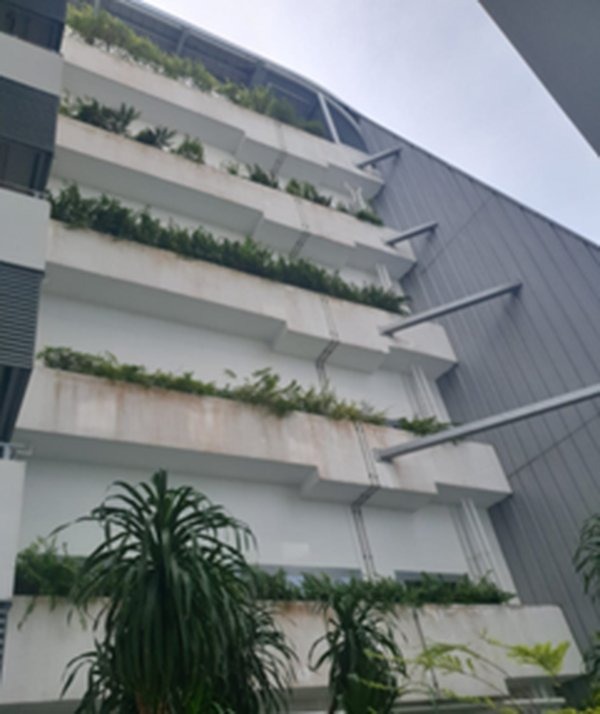
Figure 2:
Requirements
Proposed technologies and/or solutions should meet the following criteria:
- Technology readiness level (TRL) of 7 or above
- Scalable and cost-effective
- Innovative and not yet deployed at large scale
- Repeatable with the ability to deliver consistent and uniform outcomes
- Able to ensure safety and continuity of operations on irregular surfaces, including compliance with work at height standards
- Compatible with heritage finishes and compliant with relevant conservation guidelines, such as National Heritage Board's (NHB) Preservation of Sites and Monuments (PSM) guidelines
Desired Outcome
The envisioned solution should:
- Reduce water consumption for facade cleaning by at least 30% compared to current practices
- Extend cleaning cycles from annual to every 3–5 years or longer, thereby reducing overall maintenance costs
Possible Solution
Solutions should be preventive and operationally practical. Where preventive measures are not feasible, the solution should efficiently address build-up while minimising resource consumption during operations.
Development Timeframe
| Step | Task | Start | End |
|---|---|---|---|
| 1 | Proof of Concept | To | To + 6 months |
| 2 | Performance Verification | To + 6 months | To + 12 month |
Additional Info
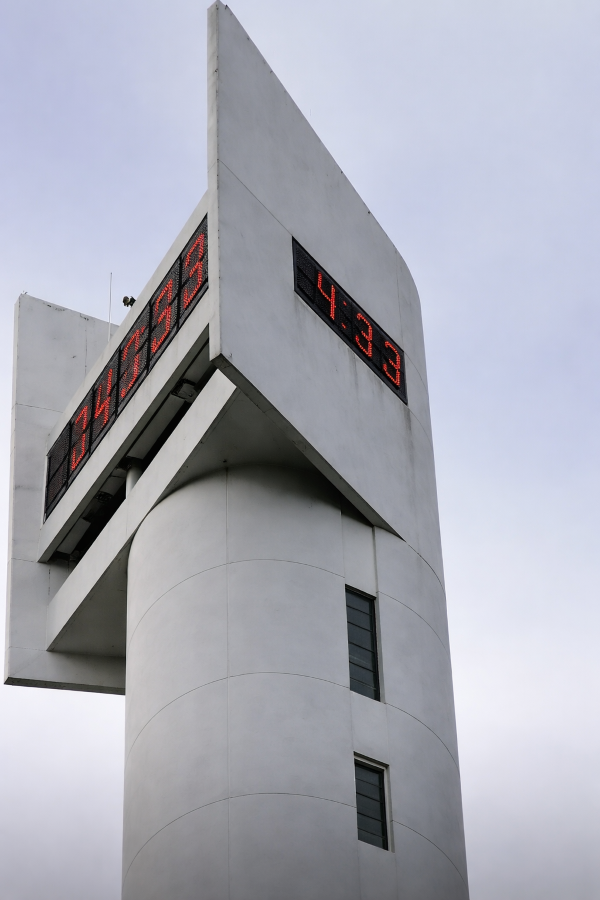
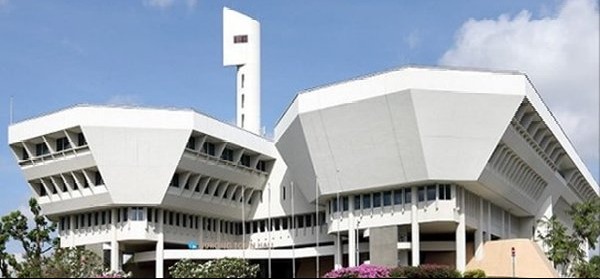
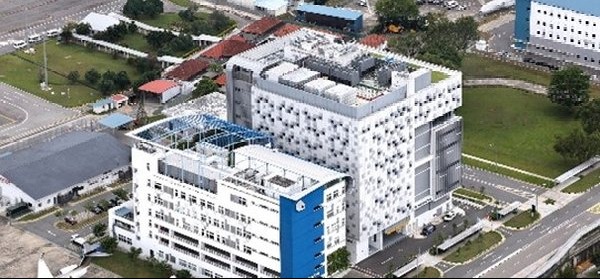
The solution will be tested at Jurong Town Hall and JTC Aviation One and Two @ Seletar Aerospace Park. Please note that Jurong Town Hall is gazetted as a national monument. Interested participants are encouraged to visit the sites which will be arranged by JTC, kindly register via the link to access further details.
Jurong Town Hall:
JTC Aviation One and Two @ Seletar Aerospace Park:
JTC Decarbonisation Living Lab Innovation Call 2026 (DECAL 2.0)